Business Casual for a Job Interview: What Women Should Wear in 2026
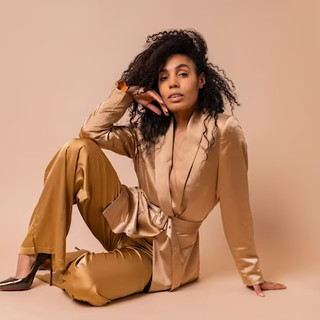
Choosing what to wear to a job interview can be surprisingly difficult when the company says the dress code is business casual.
You want to look professional without appearing overdressed. At the same time, you don't want your outfit to look too relaxed for an important first impression.
For most women, the safest approach is to choose polished, structured, and relatively conservative pieces, then adjust the level of formality based on the company, industry, and position.
A tailored pair of pants, a polished blouse, a blazer, and refined shoes can form the foundation of a reliable business casual interview outfit.
If you're building your overall work wardrobe, start with our Business Casual Women: The Complete Guide to Modern Workwear in 2026.
What Does Business Casual Mean for a Job Interview?
Business casual for an interview generally means professional clothing that is less formal than a traditional suit but still looks intentional and polished.
Think:
Tailored trousers
A polished blouse or knit top
A blazer
A simple work-appropriate dress
Loafers
Ballet flats
Low heels
Minimal accessories
A structured work bag
The important distinction is that interview attire should usually be slightly more polished than everyday business casual.
Someone might wear dark jeans and loafers to a normal office day, for example, but choose tailored trousers and a blazer for the interview.
What Should Women Wear to a Business Casual Interview?
A simple formula is:
Tailored bottom + polished top + structured layer + refined shoes
This gives you flexibility while keeping the outfit professional.
Option 1: Trousers + Blouse + Blazer
This is one of the easiest interview combinations.
Try:
Black, navy, gray, or beige trousers
White, cream, pale blue, or neutral blouse
Tailored blazer
Loafers or low heels
Structured tote
This combination works particularly well when you're unsure how formal the company is.
For more ideas, see Business Casual Pants for Women: What to Wear to Work.
Option 2: Midi Dress + Blazer
A simple midi dress can create a complete outfit with relatively little effort.
Choose:
A solid or subtle pattern
A professional neckline
A moderate hemline
A structured or semi-structured silhouette
Add a blazer and polished flats or low heels.
For additional dress ideas, see Business Casual Dresses for Women: 12 Work-Appropriate Styles.
Option 3: Trousers + Fine-Knit Top + Blazer
If the company has a modern business casual culture, a high-quality knit top can replace a traditional blouse.
Look for a relatively smooth fabric and a clean neckline.
This outfit can feel modern while remaining professional.
Option 4: Dark Jeans + Blazer
Jeans are more situation-dependent.
If the company clearly has a casual or creative dress culture, dark, clean, well-fitting jeans may be appropriate.
However, if you're uncertain, tailored trousers are the safer choice for an interview.
See our guide to Can Women Wear Jeans for Business Casual? for more detail.
The Best Pants for a Business Casual Interview
When choosing interview pants, prioritize structure and fit.
Straight-Leg Pants
Straight-leg trousers are versatile and easy to style.
They work well with:
Blazers
Button-down shirts
Blouses
Fine-knit tops
Loafers
Low heels
Wide-Leg Pants
Wide-leg trousers can look modern and sophisticated.
The key is proportion.
If the pants are wide, consider a more streamlined top or a tucked-in blouse.
Ankle Pants
Ankle-length trousers can work particularly well with flats and loafers.
They're also useful when you want the footwear to become part of the outfit.
Slim or Cigarette Pants
Slim tailored trousers provide a more traditional professional appearance.
They pair easily with structured blazers and pointed-toe flats.
For a complete breakdown of work trouser styles, see Business Casual Pants for Women: What to Wear to Work.
What Shoes Should Women Wear to a Business Casual Interview?
Your shoes should look polished, clean, and appropriate for the workplace.
Good choices include:
Loafers
Ballet flats
Pointed-toe flats
Slingback flats
Kitten heels
Low block heels
Classic pumps
Simple ankle boots
The best option depends on the industry and the rest of your outfit.
For a more conservative interview, classic pumps or polished loafers can provide a more formal finish.
For a modern workplace, ballet flats, slingbacks, or low block heels can work well.
See Business Casual Shoes for Women: 12 Work-Appropriate Styles for more footwear options.
Are Sneakers Appropriate for a Business Casual Interview?
Usually, sneakers are not the first choice for an interview unless the company clearly has a very casual culture.
Even minimalist sneakers that work for everyday business casual can feel too relaxed in an interview setting.
If you want the comfort of a flat shoe, consider:
Loafers
Ballet flats
Pointed flats
Slingbacks
These provide comfort while generally looking more interview-appropriate.
Can Women Wear Jeans to a Business Casual Interview?
Sometimes, but it depends on the company.
Dark, clean, non-distressed jeans can work in some creative, casual, or fashion-oriented workplaces.
However, jeans create more uncertainty than tailored trousers.
If you don't know how the interviewer or company interprets business casual, trousers are the more straightforward option.
The goal isn't to demonstrate how casual you can dress.
It's to show that you understand the workplace environment.
What Colors Are Best for an Interview?
Neutral colors are particularly useful because they allow your clothing to look polished without becoming the focus of attention.
Navy
Navy provides a professional alternative to black and works particularly well with white, cream, light blue, and gray.
Black
Black is versatile and easy to coordinate.
A black blazer, trousers, or simple dress can form the foundation of an interview wardrobe.
Gray
Gray works especially well for trousers and suits.
It can create a softer appearance than an all-black outfit.
Beige and Taupe
Beige and taupe can work well for blazers, trousers, and knitwear.
They're particularly useful for creating a modern business casual outfit.
White and Cream
White and cream are useful for blouses and tops.
They create contrast against darker trousers and jackets.
Should You Wear a Blazer to a Business Casual Interview?
A blazer is one of the most useful pieces for an interview because it instantly adds structure.
It can also make a relatively simple outfit look more intentional.
For example:
White blouse + black trousers
can become:
White blouse + black trousers + tailored blazer
The second version generally reads as more polished and interview-ready.
A blazer is especially useful when you're unsure whether the company's interpretation of business casual leans casual or formal.
What Tops Are Best for an Interview?
Choose tops that are polished without being overly complicated.
Good choices include:
Button-down shirts
Silk or satin-look blouses
Crepe blouses
Fine-knit tops
Knit polos
Simple shell tops
Modest sleeveless tops under a blazer
Avoid tops that require constant adjustment or create excessive volume under a jacket.
The best interview top is one that allows you to focus on the conversation rather than your clothing.
Can Women Wear a Dress to a Business Casual Interview?
Yes.
A simple work-appropriate dress can be an excellent interview choice.
Look for:
Midi length
Clean silhouette
Moderate neckline
Solid color or subtle print
Comfortable fabric
Minimal embellishment
A blazer can make the outfit more structured.
Loafers, flats, or low heels can complete the look.
What Dress Length Is Best?
A knee-length or midi dress is generally easy to style for an interview.
Midi dresses are particularly versatile because they can look polished without feeling overly formal.
Extremely short hemlines can make an outfit feel less appropriate for some professional settings.
Very long or dramatic dresses may also be more difficult to interpret as business casual.
Can You Wear Sleeveless Clothes to an Interview?
Sleeveless clothing can work, especially in warmer weather, but workplace context matters.
A sleeveless dress or shell top can be paired with a blazer or cardigan for additional coverage and structure.
If you're uncertain about the office culture, adding a blazer is an easy way to make the outfit more conservative.
What Accessories Should You Wear?
Interview accessories should support the outfit rather than dominate it.
Consider:
Small earrings
A simple watch
Minimal necklace
Simple belt
Structured handbag
Understated hair accessories
You don't need expensive jewelry or designer accessories to create a professional appearance.
Clean, coordinated, and understated is usually enough.
What Bag Should You Bring to an Interview?
A structured tote or medium-sized work bag is practical and polished.
Ideally, it should be large enough for:
Resume copies
Notebook
Pen
Phone
Small personal items
Avoid bringing an oversized casual backpack if a more structured alternative is available.
What Should You Avoid Wearing to a Business Casual Interview?
The exact dress code varies, but certain choices can create unnecessary risk.
Consider avoiding:
Distressed Denim
Rips, holes, and heavy distressing generally look too casual for an interview.
Very Casual T-Shirts
Basic T-shirts can work in some modern offices but are usually not the strongest interview choice.
Athletic Sneakers
Unless the company explicitly embraces very casual attire, choose polished flats, loafers, or low heels instead.
Very Short Skirts or Dresses
Short hemlines can be difficult to interpret in a professional interview environment.
Excessively Tight Clothing
Your clothing should allow you to sit, stand, walk, and interview comfortably.
Very Low Necklines
A more moderate neckline is generally easier to style professionally.
Excessive Logos
Large branding can distract from an otherwise polished outfit.
Wrinkled Clothing
Even an expensive outfit can look casual if it is visibly wrinkled.
How Formal Should Your Interview Outfit Be?
The answer depends on the company.
Traditional Corporate Office
Consider:
Tailored trousers
Blazer
Button-down or polished blouse
Pumps or loafers
Structured bag
Modern Corporate Office
Consider:
Wide-leg or straight-leg trousers
Fine-knit top
Blazer
Loafers or low heels
Creative Industry
You may have more flexibility with:
Interesting silhouettes
Fashion-forward accessories
Dark denim
Statement shoes
Modern tailoring
However, polished and intentional should still be the goal.
Startup or Casual Workplace
The environment may allow:
Dark jeans
Refined knitwear
Blazer
Minimalist flats or clean sneakers
If you have no information about the company, start one level more formal rather than one level more casual.
Business Casual Interview Outfit Formulas
Here are simple formulas you can recreate from pieces you may already own.
Formula 1: Classic
Black trousers + white blouse + navy blazer + loafers
Formula 2: Modern
Wide-leg trousers + fitted knit + tailored blazer + ballet flats
Formula 3: Feminine
Midi dress + blazer + slingback flats
Formula 4: Minimalist
Black trousers + cream knit + black loafers + structured tote
Formula 5: Creative
Dark straight-leg jeans + blouse + blazer + pointed flats
Formula 6: Summer
Light tailored trousers + sleeveless blouse + lightweight blazer + loafers
Formula 7: Fall
Dark trousers + fine-knit sweater + blazer + ankle boots
Formula 8: Simple Dress
Solid midi dress + structured bag + low heels
What Should You Wear for a Video Interview?
A video interview still requires professional dressing.
At minimum, make sure your visible clothing looks polished.
A blazer or structured top can create a more professional appearance on camera.
Also consider:
Avoiding distracting patterns
Checking how colors appear on your camera
Making sure your neckline works with the camera angle
Choosing a comfortable top that won't require adjustment
Dressing professionally even if only your upper body is visible
A video interview may feel less formal, but it is still an interview.
How to Prepare Your Interview Outfit the Night Before
Preparing your clothing ahead of time eliminates unnecessary stress.
Check:
Is everything clean?
Is anything wrinkled?
Do the shoes need cleaning?
Does the blazer fit comfortably?
Do the trousers sit correctly when you sit down?
Is the bag large enough for your essentials?
Does the entire outfit work together?
Is the outfit appropriate for the company?
Then try the complete outfit on before the interview.
This is especially important if you're wearing shoes or clothing you haven't worn recently.
What If You Don't Know the Company's Dress Code?
Research is useful.
Look at the company's website, social media, employee photos, or careers content to understand the general workplace environment.
You can also ask the recruiter or hiring contact what candidates typically wear.
If you still can't determine the dress code, choose a polished business casual outfit with a slightly formal bias:
Tailored trousers + blouse + blazer + loafers or low heels
This combination is versatile and easy to adjust.
Should Your Interview Outfit Be Trendy?
It can be modern without being trend-driven.
A good approach is to use contemporary silhouettes while keeping the overall outfit professional.
For example:
Wide-leg trousers instead of extremely slim trousers
Refined loafers instead of highly embellished shoes
A modern blazer instead of an overly formal suit jacket
A clean midi dress instead of a highly structured corporate dress
The objective is not to make a fashion statement.
Your clothing should help communicate that you're prepared for the professional environment.
How Much Should You Spend on an Interview Outfit?
You don't need an expensive wardrobe.
Prioritize fit, condition, and versatility.
A relatively small wardrobe can provide multiple interview outfits:
1 blazer
2 pairs of trousers
2–3 tops
1 dress
2 pairs of shoes
1 structured bag
These pieces can also become the foundation of your everyday business casual wardrobe after the interview.
The Best Interview Wardrobe to Build First
If you're starting from scratch, prioritize:
1. A Tailored Blazer
Choose black, navy, gray, beige, or another neutral.
2. Two Versatile Trousers
A dark pair plus a second neutral gives you multiple combinations.
3. Two Polished Tops
A white or cream blouse and a versatile knit are useful starting points.
4. One Work-Appropriate Dress
Choose a simple silhouette that can work for interviews, meetings, and regular office days.
5. One Pair of Loafers
Loafers can work with trousers, dresses, and jeans.
6. One Pair of Low Heels or Flats
Choose whichever style you'll actually feel comfortable wearing.
7. A Structured Bag
Choose a size that can hold your interview essentials.
Business Casual Interview Shopping Checklist
Before purchasing anything specifically for an interview, ask:
Can I wear this to the interview?
Can I wear it to work afterward?
Does it fit comfortably while sitting?
Does it coordinate with my existing wardrobe?
Does it look polished without excessive styling?
Is the color versatile?
Can I wear it with at least two other pieces?
Is the fabric comfortable enough for a long day?
Does it reflect the company's general dress level?
This prevents buying an expensive outfit that only gets worn once.
Business Casual Interview Capsule
A compact interview capsule might look like this:
Clothing
Navy blazer
Black trousers
Gray or beige trousers
White blouse
Cream knit top
Simple midi dress
Dark straight-leg jeans for casual workplaces
Shoes
Loafers
Ballet flats or low heels
Accessories
Structured tote
Simple belt
Minimal jewelry
From these pieces, you can create multiple combinations without buying an entirely new wardrobe.
Final Interview Outfit Checklist
Before leaving home, check:
Fit: Can you sit and move comfortably?
Condition: Are your clothes clean, pressed, and free of visible damage?
Shoes: Are they clean and comfortable?
Layers: Does your blazer or cardigan sit correctly?
Accessories: Are they polished but not distracting?
Bag: Can it hold everything you need?
Dress code: Does the outfit match the company's expected level of formality?
Confidence: Do you feel comfortable enough to concentrate on the interview?
That last point matters. An outfit that constantly needs adjusting can become a distraction.
The Bottom Line
For a business casual job interview, aim for polished rather than overly formal and professional rather than overly relaxed.
The easiest formula is:
Tailored trousers + polished top + blazer + refined shoes.
A simple midi dress with a blazer can work equally well.
Dark jeans may be appropriate for some casual or creative workplaces, but if you're uncertain about the dress code, tailored trousers provide a clearer professional signal.
Most importantly, don't treat an interview outfit as a one-time purchase. Choose versatile pieces that can become part of your everyday work wardrobe after you get the job.
FAQs
What should a woman wear to a business casual interview?
A polished combination of tailored trousers, a blouse or knit top, a blazer, and loafers or low heels is a reliable starting point.
Are jeans okay for a business casual interview?
They can be appropriate in some casual or creative workplaces, but tailored trousers are generally a safer choice when the dress code is unclear.
Can I wear sneakers to a business casual interview?
It depends on the company. Minimalist sneakers may be acceptable in very casual workplaces, but loafers, flats, or low heels are usually easier interview choices.
Can I wear a dress to a business casual interview?
Yes. A simple midi dress with a blazer and polished shoes can make an excellent interview outfit.
Should I wear a blazer to an interview?
A blazer isn't always mandatory, but it is one of the easiest ways to add structure and polish to a business casual outfit.
What colors should women wear to interviews?
Neutral colors such as navy, black, gray, beige, cream, and white are versatile and easy to style professionally.
Can I wear wide-leg pants to an interview?
Yes. Wide-leg tailored trousers can look modern and professional when balanced with a relatively streamlined top or structured blazer.
Are flats professional enough for an interview?
Yes. Loafers, ballet flats, pointed-toe flats, and slingbacks can all work well for business casual interviews.
What should I avoid wearing to a business casual interview?
Avoid heavily distressed clothing, extremely casual tops, overly revealing pieces, visibly worn shoes, and anything that makes you uncomfortable or requires constant adjustment.
How can I tell how formal an interview will be?
Research the company's workplace culture, review its public-facing content, ask the recruiter if possible, and observe the dress expectations for the role. When uncertain, lean slightly more polished rather than more casual.

Comments