How to Choose a Silk Blouse: Weave, Weight, Fit and Care
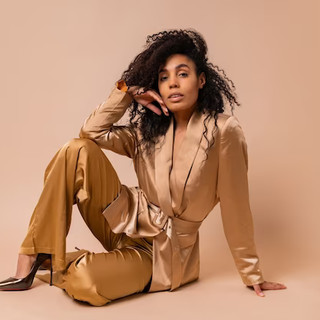
A silk blouse can look beautiful on a product page and still be difficult to wear in real life. The fabric may be too sheer for the settings you have in mind, the cut may pull at the buttons, or the care instructions may not suit your routine. Choosing well means looking beyond the word silk and checking the weave, weight, construction and fit as a complete garment.
Start with the job you want the blouse to do. A soft, fluid blouse for evening does not need the same structure as a shirt you plan to wear under a blazer several times a week. The best purchase is the one whose fabric and construction match how often you will wear it, how you prefer it to fit and how much care you are willing to give it.
Start with the way you plan to wear it
For work, a silk blouse usually needs enough opacity to sit comfortably under office lighting, a collar or neckline that works with a jacket, and sleeves that do not bunch under a blazer. A relaxed blouse can still look polished if the shoulder seam sits correctly and the hem can be tucked without creating a bulky ridge.
For evening, a softer drape, subtle sheen or interesting neckline may matter more than a crisp collar. For travel, washable silk blends or a more forgiving weave may be easier to maintain than a delicate, unlined piece that wrinkles at the slightest pressure. Decide which of those uses matters most before comparing details.
Know the weave, not just the fiber name
Charmeuse
Charmeuse is known for a smooth, glossy face and a softer reverse. It drapes fluidly and catches light, which makes it popular for elegant blouses and camisoles. Because it can be slippery and relatively delicate, inspect the seams and buttons carefully. A very fluid charmeuse blouse may need a camisole underneath if you want more coverage.
Crepe de chine
Crepe de chine has a more textured, less reflective surface than charmeuse. It often feels easier to wear during the day because the finish is softer and the fabric can be less clingy. It is a useful option for a blouse that needs to move between trousers, skirts and denim without looking overly dressy.
Silk twill
Silk twill has a subtle diagonal structure that can give the blouse a little more body. It may feel more substantial than a very light satin weave and can work well for shirts with collars or cuffs. The hand-feel still depends on the yarn, finish and construction, so compare the actual garment rather than assuming every twill behaves the same.
Habotai and very light silk
Habotai and other lightweight silks can feel airy, but they may be more transparent and easier to snag. They can be lovely for layering or warm weather, yet they are not automatically the best choice for a stand-alone office blouse. Hold the fabric toward a light source and check whether the front placket, seams and bust area remain sufficiently opaque.

Understand momme without treating it as a quality score
Momme is a weight measurement commonly used for silk. A higher number generally means more silk by weight over a given area, but it does not tell you everything about the garment. Weave, yarn quality, finishing, dye, construction and intended use all affect how a blouse feels and wears. A lightweight silk can be appropriate for a soft, airy design; a heavier silk can give a shirt more body.
Do not buy by momme number alone. Compare the fabric's opacity, drape and recovery, then look at how the garment is made. A heavier fabric with poor seams is still a poor purchase, while a lighter fabric can be excellent when the design calls for movement and the construction is careful.
Inspect the construction like a buyer
Seams and finishing
Look at the side seams, shoulder seams and armholes. The stitching should be even, without skipped sections, loose threads or puckering. The fabric should lie flat around the seam rather than twisting. On a slippery fabric, clean finishing matters because weak seams can open or distort with repeated wear.
Buttons, plackets and cuffs
Buttonholes should be neat and the buttons securely attached. Try the blouse closed and move your arms; if the placket pulls open across the bust, the cut or size may be wrong. Cuffs should close comfortably without forcing the wrist, and the collar should lie flat rather than curling immediately.
Lining and transparency
A silk blouse does not always need a lining. A lining can add opacity and structure, but it can also change the drape and make the garment warmer. If the blouse is unlined, test it in daylight and indoor light, and check how it looks over the bra or camisole you would actually wear.
Fit should make the fabric easier to wear
Silk does not have much natural stretch, so the fit should allow movement without relying on the buttons to hold the garment together. Check the shoulder seam, bust ease, upper arm and back. Raise your arms, reach forward and sit down. If the fabric pulls sharply across the back or bust, try another size or cut rather than hoping the silk will loosen.
A relaxed fit can be elegant, but excess fabric at the shoulder or underarm can make a blouse look borrowed. If you prefer to tuck it into trousers, check that the hem is long enough to stay in place and not so full that it creates a large fold at the waistband. For styling ideas with a simpler shirt, see the site's white shirt outfit guide.
For a softer evening option, the site's lace blouse styling guide offers another way to add texture without relying on shine alone. A silk blouse also layers neatly under a jacket when the shoulder and sleeve are not too bulky; see the business-casual blazer guide for jacket fit considerations.
Read the label and plan for care
Check the fiber-content label rather than relying on a hang tag that says only silk touch or silk-like. In the United States, the FTC's Textile Fiber Rule sets disclosure requirements for covered textile products, including fiber names and percentages, manufacturer or marketer identity, and country of origin. The label is a better starting point than a marketing phrase.
Care instructions matter just as much. Some silk blouses can be hand-washed or machine-washed on a delicate setting, while others require dry cleaning because of dyes, trims, interfacings or construction. Follow the garment's instructions, not a universal rule about silk. The FTC's Care Labeling Rule guidance explains why care instructions should be supported by reliable evidence.
If the blouse is washable, test the care method on the garment as directed and avoid rough wringing. If it is dry-clean only, factor that cost into how often you expect to wear it. Store silk clean and dry, give it room to breathe and avoid hanging it by delicate straps if the fabric may stretch.
Silk blouse questions
Is a higher momme silk blouse always better?
No. Momme describes weight, not the full quality of the garment. The right weight depends on the weave and intended use. Check the fabric's drape, opacity, seams, buttons and fit before deciding whether the price makes sense.
Should a silk blouse be lined?
Not necessarily. A lining can improve opacity and structure, but it may reduce the fluid feel that makes silk attractive. If the blouse is unlined, check it in different lighting and consider whether a camisole is comfortable enough for regular wear.


Comments