Apple Shape Outfits for Women: A Fit-First Guide to Proportions and Style
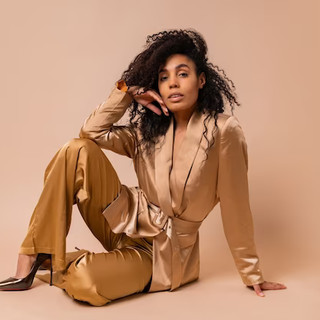
Apple shape outfits are often presented as a list of things to hide. That makes getting dressed feel like a correction exercise instead of a useful way to understand fit. A better starting point is simple: a body-shape label is a styling shorthand, not a dress code. It can help explain why a top fits differently from a pair of trousers, but it cannot tell you what you should like, what size you should wear or which silhouette is allowed.
Use the ideas here as options to test. The aim is clothing that moves comfortably, sits where you want it to sit and creates the outline you prefer. If a wrap dress feels good, wear it. If you prefer a straight shirt and relaxed trousers, that can work just as well. The most useful apple shape outfits are built from fit, fabric and personal preference rather than a rule about making one area look smaller.
What the apple-shape label can—and cannot—tell you
In fashion guides, apple shape usually describes a silhouette in which the bust, ribcage or waist area is relatively fuller than the hip line. The description is broad. It does not account for height, torso length, shoulder width, posture, muscle, pregnancy, size changes or the way a particular garment is cut. Two people who use the same label may need completely different sizes and proportions.
Some guides, including The Concept Wardrobe's apple-shape overview and Who What Wear's body-shape measurement guide describe common proportions and garment ideas. Treat those descriptions as a vocabulary for experimenting, not a checklist you must satisfy. You do not need to measure yourself to earn the right to wear a certain neckline, skirt or pair of jeans.

Start with the garment's pressure points
The first question is not whether an outfit is flattering. It is where the garment needs room. Check the shoulder seam, bust, upper back, waistband, seat and upper thigh separately. If a shirt pulls across the buttons, a larger size or a different cut may solve the problem more effectively than changing the hem. If trousers fit through the hip but gap at the back waist, look for a different rise or a cut with a shaped waistband.
Test clothing while moving. Sit down, reach forward, lift your arms and take a few steps. A waistband that looks smooth while standing may dig in when you sit; a dress that looks loose from the front may pull across the back. A small alteration can sometimes improve a waistband or sleeve, but a garment that is tight through the seat or bust is harder to rescue. The site's women's suit fit guide has additional checks for shoulder seams, jacket closures and trouser movement.
Tops: treat neckline, fabric and hem as separate choices
An open collar, V-neck, square neck or soft scoop can create a different visual line, but none is mandatory. Choose a neckline for comfort, coverage and the way it works with your jewelry or layers. If you like a button-down, leave the top button open or wear it fully closed; both can look intentional when the collar sits neatly and the shoulder fit is right.
Fabric weight matters as much as shape. A crisp cotton shirt holds its own outline, while a fine jersey follows the body more closely. A fluid blouse can skim without feeling stiff, and a textured knit can add structure without requiring a tight fit. Try the top with the trousers or skirt you actually plan to wear. A hem that ends at the widest part of the hip may feel different from one that finishes above it or falls below it, so test the full outfit rather than judging the top alone.
Cropped tops are not automatically off-limits. A shorter knit over a higher-rise trouser can create a clean break without exposing skin, while a longer shirt worn open can add a vertical layer. The best length is the one that works with your rise, your preferred coverage and the shape of the outer layer.
Jeans and trousers: choose the rise you can move in
A mid-rise or high-rise waistband may feel secure for some people, while others prefer a lower rise that does not press across the abdomen. There is no universal best rise for an apple shape. Check the waistband after sitting, make sure the crotch seam does not pull and look at the back waist as well as the front. If you need to size up for the hip or thigh, a tailor may be able to adjust the waist more easily than a tight seat can be altered.
Straight-leg, wide-leg, tapered and bootcut trousers can all work. A straight leg gives a simple line; a wider leg creates more movement below the waist; a tapered cut can feel neat with a longer top or a short jacket. Choose the leg shape according to the shoes and setting. For outfit ideas that start with a familiar wardrobe basic, see black pants outfit ideas for women.
Garment choice | What to check | Styling option |
Straight-leg jeans | Waistband stays comfortable when seated; enough room through the seat | Try a tucked shirt, relaxed knit or short jacket |
Wide-leg trousers | Fabric falls cleanly from the hip and does not twist at the knee | Balance with a shorter knit or a defined shoulder line |
Tapered pants | Thigh and seat have ease; ankle opening works with the shoe | Pair with a longer shirt, blazer or fine-gauge sweater |
Soft pull-on pants | Elastic does not roll or dig; fabric is opaque when moving | Wear with a crisp shirt or structured outer layer |
Skirts and dresses: let the fabric do the work
A wrap dress can be adjusted through the waist, but check that the tie does not need constant tightening. A shift dress offers ease through the middle and can look polished with a strong shoe or a structured coat. An A-line skirt or dress adds movement below the waist, while an empire seam places the main shaping higher on the torso. A shirt dress can be worn with its belt, without a belt or open as a light layer over trousers.
Bias-cut and fluid fabrics behave differently from crisp cotton or ponte. A soft fabric may drape close to the body; a more structured weave can hold a straighter outline. Neither is automatically better. Check whether the garment clings, wrinkles or shifts when you walk. If a dress feels comfortable in motion and you like the line, it is doing its job.
Jackets and layers: test the open and closed version
An open jacket creates a different outline from the same jacket worn buttoned. Try both before deciding. A single-button blazer can leave room through the waist; a short jacket can work with a higher-rise trouser; a longer coat can add a continuous line over a dress or jeans. Pay attention to where the hem lands in relation to the waistband and hip, because a layer that is comfortable in the shoulders may still bunch when you sit.
Avoid buying a layer only because a guide calls it slimming or balancing. A shoulder that fits, a sleeve that moves and a closure that does not pull are better tests. If you prefer a relaxed cardigan or an unstructured coat, choose one with enough room for the layers underneath rather than sizing down to create a sharper outline.
Three outfit starting points, not fixed formulas
For a casual day, try straight-leg jeans with a soft V-neck knit and a coat that leaves room at the shoulders. For a polished setting, a fluid blouse with tailored trousers and loafers can feel finished without a tight waistband. For dinner, a wrap or shift dress with a boot or low heel gives you a complete outfit with little adjustment. Change the fabric, shoe or layer to suit the weather rather than treating any one combination as the correct answer.
If you want to compare body-shape styling without turning it into a set of rules, the site's pear-shaped body outfit guide takes the same fit-first approach for a different set of proportions. The useful lesson is consistent: start with the garment's fit, then decide which visual line you enjoy.
Frequently asked questions
Does an apple shape mean plus size?
No. Apple is a styling description of proportions, not a size category. People of many sizes can have a similar relationship between bust, waist and hip measurements, and the label does not describe health or fitness.
Are wide-leg trousers suitable for apple shape outfits?
Yes, if the waistband and seat fit comfortably. Check the drape from the hip, the length with your usual shoes and whether the top you choose gives you the amount of structure or ease you prefer.
Do belts have to be avoided?
No. A belt can define a waist, secure a dress or simply add a finishing detail. Wear it where it feels comfortable; leaving a dress unbelted is equally valid if you prefer a more relaxed line.


Comments