Icebreaker vs Smartwool: Which Merino Base Layer Should You Buy?

Icebreaker and Smartwool are two familiar names in merino base layers, but choosing between them is not as simple as declaring one brand warmer or more durable. Both sell different weights, blends and fits. A lightweight top designed for active layering should not be compared with a thick thermal crew as if the garments were interchangeable.
The useful comparison starts with the exact product label. This guide uses three current examples: Icebreaker's women's Merino 200 Oasis Long Sleeve Crewe, Smartwool's Classic All-Season Merino 150 and Smartwool's Classic Thermal Merino 250. Their specifications show how much the choice depends on fabric weight, fiber content and care instructions rather than brand reputation alone.
The short answer: compare the garment, not just the brand
Choose the Icebreaker 200 Oasis if you want a slim-fitting, 100% merino layer with a clearly stated 200 warmth-system designation and you are comfortable following its cooler, line-dry care instructions. Consider Smartwool's Classic All-Season 150 if you want a lighter layer with a recycled-nylon core and a machine-wash-and-tumble-dry care routine. Choose the Classic Thermal 250 when you want a thicker, 100% merino layer for colder conditions.
That is not a universal verdict on either company. Icebreaker sells multiple fabric families, and Smartwool sells both blended and 100% merino garments. A product comparison should name the model and fabric content. Otherwise, a statement such as one brand is always softer, warmer or more durable is too broad to help someone buy the right size and weight.
Three current product examples show why the details matter
Icebreaker Merino 200 Oasis: a pure-merino, close-to-body layer
Icebreaker's 200 Oasis Long Sleeve Crewe lists 100% merino wool, a slim fit and an 18.9-micron fiber specification. The product page describes its warmth system as 200 and highlights offset shoulder seams, flatlock seams, gusseted underarms and a drop-tail hem. Those construction details matter when the top sits directly against the skin and is worn under a jacket or mid-layer.
The brand's care instructions for this example are specific: machine wash cold on a gentle cycle, wash with like colors, avoid fabric softener and bleach, do not tumble dry, and line dry in the shade. If you rely on a dryer to finish laundry quickly, that routine may be less convenient than another base layer even if you like the feel of pure merino.
Smartwool Classic All-Season Merino 150: a lighter blend
Smartwool's Classic All-Season Merino 150 uses an 88% merino wool and 12% recycled nylon construction, with a lightweight 150 g/m² fabric. The brand describes the nylon core as a way to add durability while keeping merino next to the skin. Its listed care is machine wash warm on a gentle cycle and tumble dry low, which is easier for some households than line drying.
This is a lighter garment than a 250 g/m² thermal layer. It is a better starting point for someone who wants a layer for a range of conditions, spends time moving between indoors and outdoors, or dislikes wearing a thick base layer under everyday clothes. The blend is not automatically better for everyone; the trade-off is a little less emphasis on an all-wool construction in exchange for a different balance of weight and durability.
Smartwool Classic Thermal Merino 250: a warmer 100% merino example
Smartwool's Classic Thermal 250 is listed as 100% ZQ merino wool with a 250 g/m² midweight fabric. It is designed for cold-weather activities where warmth and breathability are important. It is not the same product as the All-Season 150, so do not assume that every Smartwool base layer contains nylon or that every Smartwool layer is lightweight.
The 250 fabric is a more substantial choice. It can make sense for cold starts, slower outdoor activity or a person who tends to feel cold. It may feel too warm under a fitted office outfit or during high-output exercise. A thicker fabric is not automatically a better base layer; it is better only when the temperature and activity justify the extra material.
Fabric weight is a guide, not a warmth score
The Smartwool examples use gram-per-square-metre figures: 150 g/m² for the All-Season and 250 g/m² for the Classic Thermal. Icebreaker identifies the 200 Oasis through its own warmth-system designation. Do not treat those labels as a direct laboratory ranking across brands. A product's warmth also depends on fit, knit structure, layering, wind exposure and how much you move.
For a base layer, the goal is to manage the microclimate next to your skin. A very tight layer can restrict movement and feel clammy if it is too warm for the activity. A loose layer may bunch under a second layer and allow cold air to move around. The best choice is usually the lightest fabric that keeps you comfortable for the conditions you actually face.
Fit and construction can matter more than the logo
Start with shoulder seams and underarms. If the seams sit directly under a backpack strap or rub when you reach forward, the fabric content will not solve the comfort problem. Flatlock seams and offset shoulder seams can reduce bulk at high-friction points. Check the sleeve length with your arms extended and make sure the hem stays tucked or covered when you bend.
Next, check how the torso fits beneath the clothes you already wear. A slim base layer should sit close without pulling across the chest, shoulders or hips. If you plan to wear it under a fitted sweater, try it with that sweater. If it is mainly for hiking, skiing or travel, test it under the actual outer layer so you can see whether the sleeves and hem bunch.

Which one suits your routine?
For commuting and travel
A lighter layer can be easier to wear through airports, trains and heated buildings. If you move between a cold platform and a warm cabin, a 150-weight layer may be more versatile than a thick thermal top. Keep it comfortable under your coat and choose a neckline that works with the sweaters and jackets you already own. Our winter travel capsule wardrobe guide covers how to build the rest of the layers around a small number of pieces.
For cold, low-output days
If you spend time standing outside, waiting for transport or walking slowly in cold weather, a heavier thermal layer may be more useful. The Smartwool 250 example is built for colder conditions than the All-Season 150. You still need an insulating mid-layer and an outer layer suited to wind or precipitation; a base layer alone cannot replace a coat.
For active movement
When you move hard, excess insulation can become uncomfortable. Choose a weight that allows heat and moisture to move away from the skin, then adjust the outer layers as your effort changes. A light or midweight top is often easier to regulate than a thick thermal. If your activity involves a backpack, pay particular attention to shoulder seams and the way the hem stays in place.
If you specifically want pure merino
Read the fiber-content line, not the brand name. The Icebreaker 200 Oasis and Smartwool Classic Thermal 250 examples are both listed as 100% merino. Smartwool's All-Season 150 is a blend. A brand can sell several constructions at once, and a product family may change its materials across seasons. Always verify the current product page for the exact color and model you plan to buy.
Care: follow the product label, not a merino stereotype
Merino garments do not all have identical care instructions. The Icebreaker example asks for cold gentle washing, no softener and line drying in shade. The Smartwool examples allow a warm gentle machine wash and low tumble drying. Those differences matter if you want a low-maintenance travel wardrobe. Do not apply one brand's care routine to another garment just because both contain merino.
Use a mild detergent that is suitable for wool, avoid bleach and fabric softener unless the garment label explicitly allows it, and do not leave a damp base layer compressed in a bag. If you are already learning how to care for delicate knits, our guide to stopping sweaters from pilling explains how friction and storage affect knitwear. For a cold-weather packing system, also see our winter airport outfit guide and winter gloves guide.
A practical try-on checklist
Check the exact fiber percentages on the product page; do not assume every style in a brand's range is 100% merino.
Choose the fabric weight for your activity and climate, not the highest number available.
Reach overhead and forward to test shoulder seams, underarm movement and hem coverage.
Try the top under the mid-layer you plan to wear; watch for bunching at the wrists, waist and neck.
Read the care label before buying if you need a garment that can go through your usual laundry routine.
Icebreaker vs Smartwool FAQ
Is Icebreaker warmer than Smartwool?
Not as a brand-wide rule. The warmth of a base layer depends on the specific model, fabric weight, knit, fit and activity. The Icebreaker 200 Oasis and Smartwool 150 and 250 examples use different specifications, so compare the product details rather than the logo.
Is Smartwool always a merino-nylon blend?
No. The Classic All-Season 150 example uses 88% merino and 12% recycled nylon, while the Classic Thermal 250 is listed as 100% merino. Smartwool's materials vary by product family and model.
Is Icebreaker 200 Oasis 100% merino?
The cited women's 200 Oasis Long Sleeve Crewe product page lists 100% merino wool, an 18.9-micron fiber specification and a slim fit. Check the current listing for the exact style and region before ordering.
Which brand is better for travel?
Choose by weight, fit and care. A lighter layer can be easier to wear in heated spaces and pack for a trip; a heavier layer may be more useful in sustained cold. A layer that fits comfortably under your travel coat is more useful than a brand name alone.
Product references and photo credit
Icebreaker Women's Merino 200 Oasis Long Sleeve Crewe — official fabric, fit and care specifications for the example discussed.
Smartwool Classic All-Season Merino 150 — official fiber content, fabric weight and care details.
Smartwool Classic Thermal Merino 250 — official 100% merino and 250 g/m² product details.
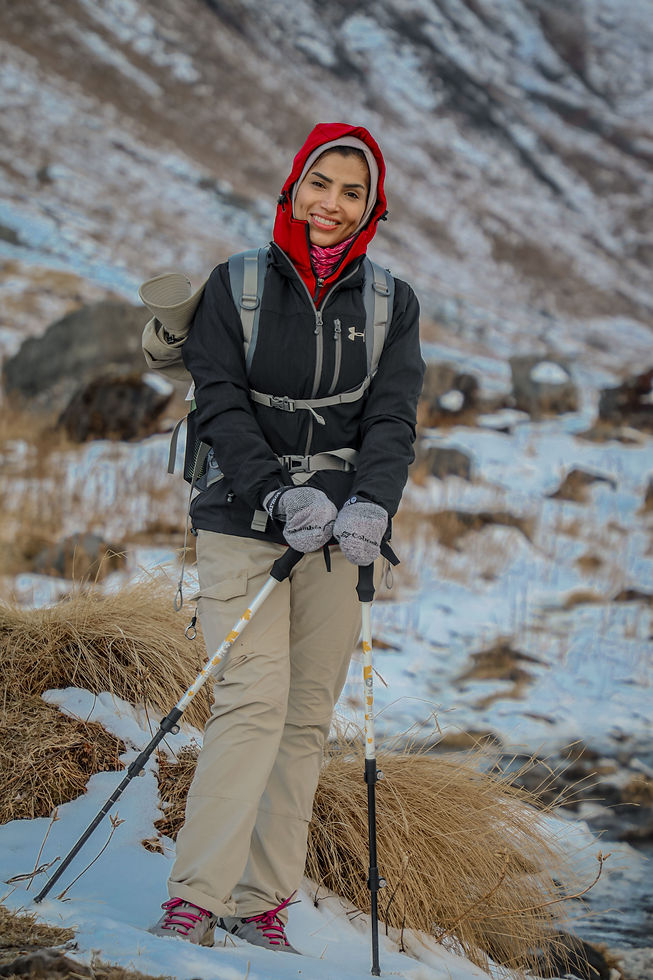
Pexels License — cover photo by Kumar Dulal (photo 14663619); in-article knit texture by Ksenia Chernaya (photo 5806926). Both are free-use Pexels images; neither depicts an Icebreaker or Smartwool branded product.


Comments