Cocoon Coat Guide: How to Choose and Style the 2026 Trend

A cocoon coat is defined by shape rather than by one exact collar, closure or fabric. Its body usually has rounded volume through the shoulders and torso, then curves or narrows toward the hem. The effect is enveloping, but a well-designed version still has enough structure to look intentional rather than simply oversized.
The silhouette is especially visible in Fall/Winter 2026 collections, but that does not mean every shopper needs a new coat. The useful question is whether the shape suits your proportions, climate and existing wardrobe. A cocoon coat can be a strong winter layer when its volume is balanced by the clothes underneath.
Why the cocoon shape is visible for Fall/Winter 2026
ELLE's October 5, 2026 runway roundup described cocoon coats across several Fall/Winter 2026 collections, with designers interpreting the shape through capes, pleats, hoods and exaggerated collars. T-Fashion's runway index also tracks the silhouette across multiple looks. Those reports show a clear runway presence, not proof that one specific coat shape suits everyone.
What makes a coat a cocoon rather than just an oversized coat
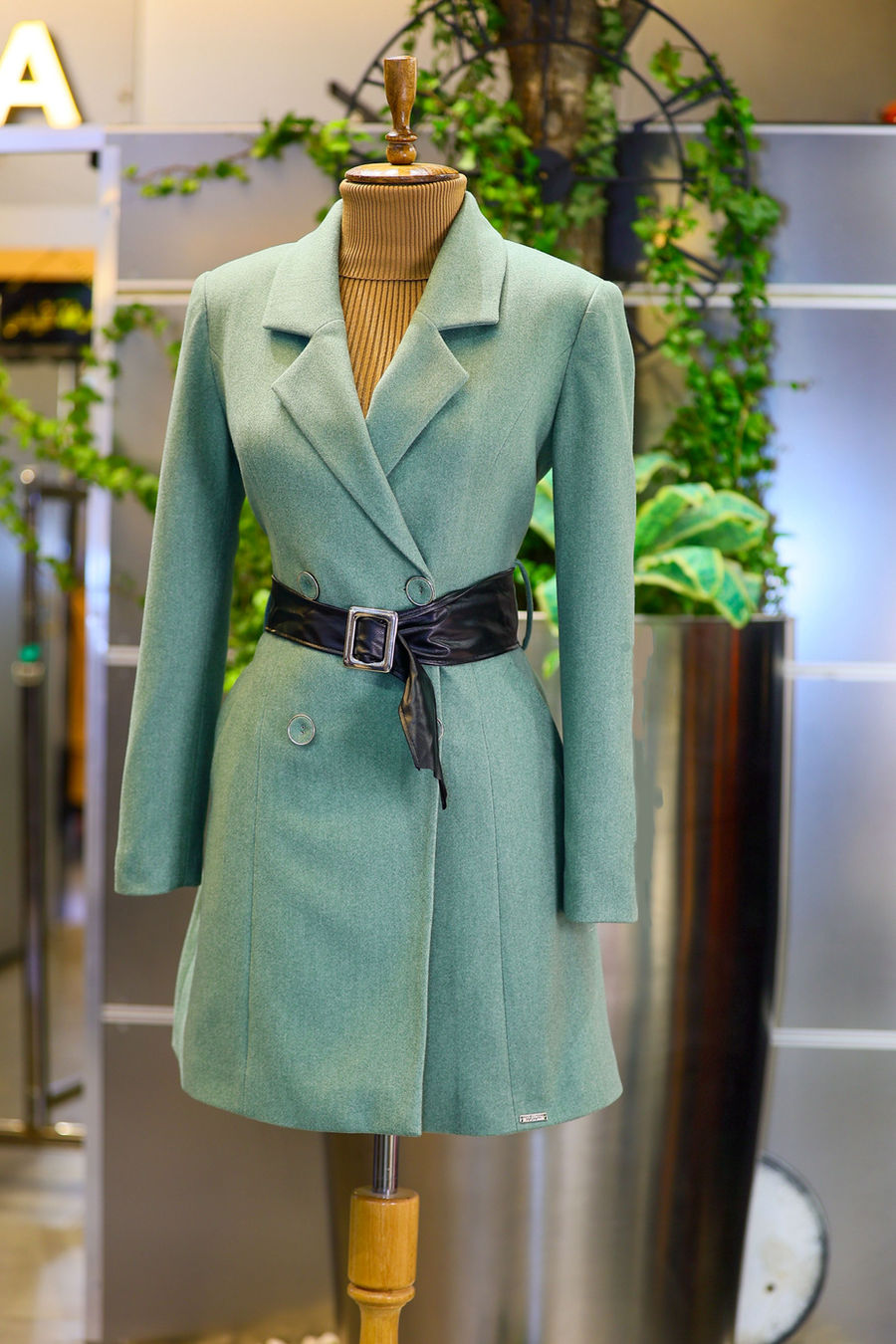
Look at the outline from the shoulder to the hem. A classic cocoon shape often has a soft shoulder line, a generous upper body and a rounded side seam or hem. The volume may be created by the pattern itself, by a dropped shoulder, by a curved sleeve or by fabric that holds a rounded form. It should look deliberate from the side, not like a coat that is simply two sizes too large.
The sleeve is an important clue. A cocoon coat may have a roomy sleeve or a tapered cuff, but the sleeve still needs to let you bend your arms and reach forward. The body should allow a sweater underneath without pulling at the armhole. If the shoulder is so wide that the sleeve hangs far below your natural shoulder and the cuff covers your hand, the coat may be oversized without being well proportioned.
Choose the length by where the volume falls
Cropped or waist-length
A shorter cocoon jacket can work well with high-rise trousers, straight denim or a skirt that begins at the natural waist. Because the coat ends higher on the body, the rounded shape is more visible and less likely to overwhelm a petite frame. Check that the hem does not stop at the widest part of the hip if that is a proportion you would rather not emphasize.
Hip to mid-thigh
This is often the easiest length to wear day to day. It gives enough coverage for cold commutes while leaving the legs visible, which helps balance the coat's volume. Straight trousers, slim boots or a narrow skirt can keep the outfit grounded without forcing the rest of the look to be tight.
Knee-length
A knee-length cocoon coat can look elegant with a simple column underneath: a fine knit, straight trousers and boots in a similar color family. The coat becomes the main shape, so avoid adding too many competing layers at the neckline or waist. If the hem is curved, let that line remain visible instead of hiding it under a long scarf.
Longline
A long cocoon coat creates the most dramatic effect, but its weight and volume need to be comfortable. Try it with shoes that have enough visual weight to balance the hem, and check that the coat does not drag when you climb stairs. A long style is easier to wear when the fabric drapes rather than standing away from the body like a stiff shell.
Fabric changes the silhouette as much as the cut
Dense wool, boiled wool and felted blends can hold a rounded outline, while softer double-face fabrics may drape closer to the body. Brushed finishes add visual softness but can make a coat appear larger because the surface catches light. A lightweight blend may feel comfortable indoors but provide less protection in a windy climate than a heavier, well-lined coat.
Read the fiber composition and garment weight together. A high wool percentage does not automatically guarantee warmth; lining, weave density, construction and the ability to layer underneath all matter. If a coat has a very sculptural shape, make sure the fabric still moves when you sit, drive or carry a bag. The best fabric is one that holds the intended outline without feeling rigid.
Balance the volume with the rest of the outfit
Use a clean vertical line underneath
A straight trouser, dark denim or a column dress gives the eye a simple line beneath the coat. This does not mean the lower half must be fitted. A straight or softly wide leg can work if the fabric falls cleanly and the hem does not bunch around the shoe.
Choose one contrasting texture
A smooth knit under a brushed wool coat, or a crisp shirt under a soft rounded silhouette, creates useful contrast. Too many fluffy or heavily textured pieces can make the outfit feel bulky. Keep the neckline simple when the coat has a large collar, hood or dramatic lapel.
Let accessories follow the coat's scale
A very small bag can disappear against a long, voluminous coat, while an oversized tote may add too much width. A medium structured bag, simple scarf or clean boot often gives enough definition. If you are comparing other winter outerwear silhouettes, the scarf coat and funnel-neck jacket offer useful contrasts.
For more on those alternatives, see the scarf coat fit and fabric guide and the funnel-neck jacket guide; a barn jacket offers a more structured, utility-led contrast.
A fitting-room checklist for a cocoon coat
Wear the thickest sweater you realistically expect to layer underneath and check that the armholes still move comfortably.
View the coat from the front, side and back; the rounded shape should look intentional from every angle.
Raise your arms, reach forward and sit down to test sleeve mobility and fabric tension.
Check that the cuffs do not cover your hands and that the hem clears your usual footwear.
Look at the closure: a coat that only hangs correctly when fully open may not give enough room when buttoned.
Carry your everyday bag to see whether the strap pulls the fabric or disrupts the shoulder shape.
Care and storage should preserve the shape
Follow the care label rather than assuming that every wool coat can be steamed, brushed or dry-cleaned in the same way. Hang a structured coat on a broad hanger so the shoulders are supported, empty the pockets before storage and allow the fabric to air after a damp day. If the coat has a brushed or textured finish, use only the brush or care method recommended for that fabric; aggressive brushing can change the surface.
Cocoon coat questions, answered
Is a cocoon coat supposed to be oversized?
It is designed to have volume, but the volume should be shaped. A good fit leaves room for layering while keeping the sleeve, shoulder and hem proportions controlled. Sizing up automatically can make the coat look shapeless.
Can petite people wear a cocoon coat?
Yes. A shorter or mid-thigh length often makes the shape easier to balance, but the shoulder and sleeve proportions matter more than a universal height rule. Try the coat with the shoes and trousers you expect to wear most often.
Is a cocoon coat warm enough for winter?
Warmth depends on fabric weight, lining, wind protection and the room available for layers. A lightweight fashion coat may be better for mild weather, while a dense wool coat with a practical lining can handle colder city conditions.
Runway references and photo credits
Trend context: ELLE's October 2026 cocoon-coat roundup and T-Fashion's FW26 cocoon-coat runway index were consulted for the seasonal context.
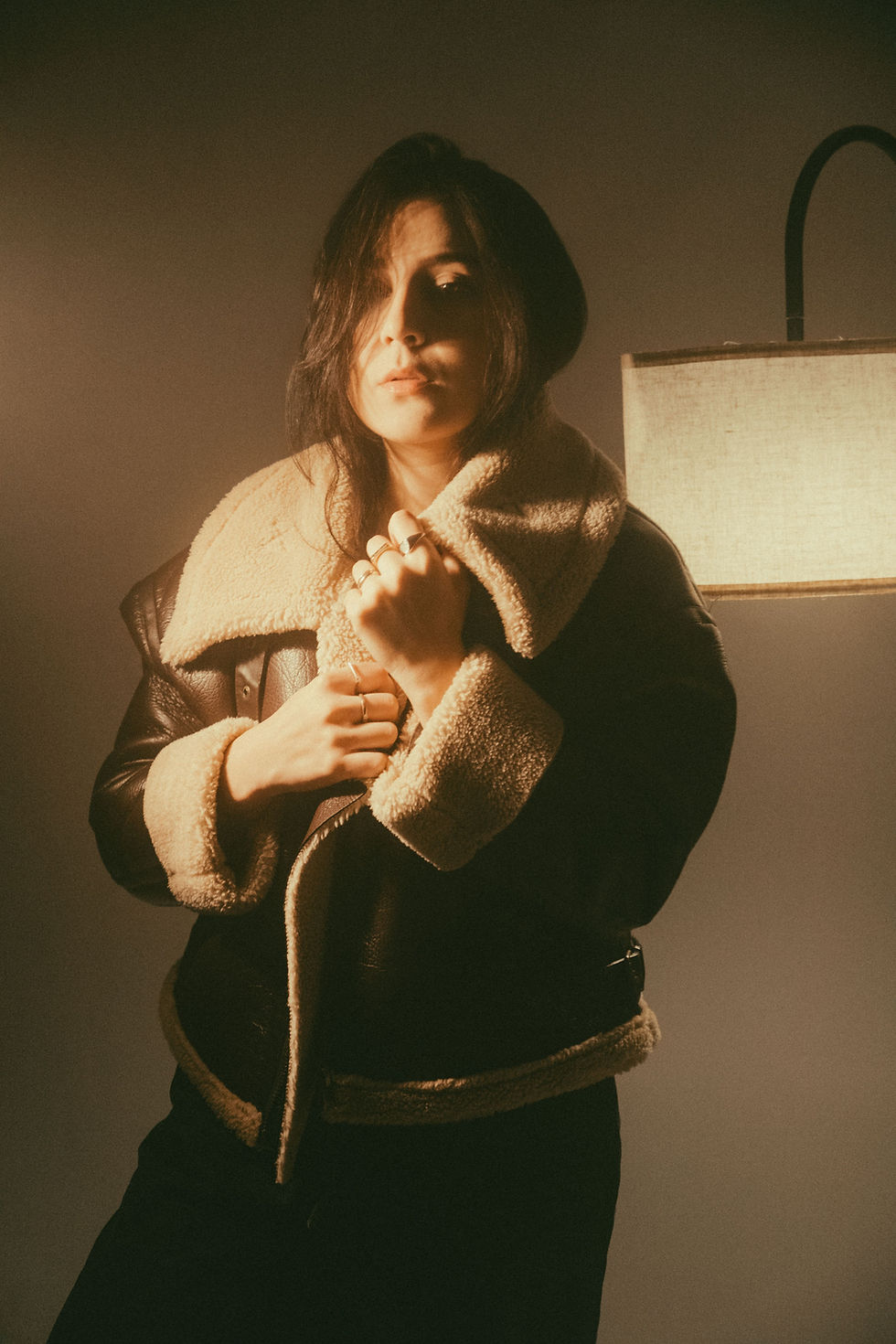
Cover photograph: palefire, Pexels source image; in-body coat product image: Zayona Fashion, Pexels source image. Both are used under the Pexels License; original source URLs and photographer labels are recorded in Wix Media Manager.


Comments