What Does Urban Menswear Include? A Practical City-Wardrobe Guide
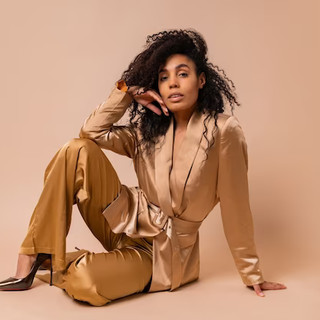
Urban menswear is easiest to understand as a wardrobe built for movement through a city: walking, public transit, changing weather, work, coffee, errands and evenings. It borrows from sportswear, workwear, tailoring and street culture, but the finished outfit should feel intentional rather than like a costume.
That distinction matters because urban style, streetwear and smart casual are often used as if they mean the same thing. They overlap, but they solve different problems. A useful city wardrobe has comfortable proportions, practical layers and a clear point of view. It does not require oversized logos, expensive sneakers or a head-to-toe trend uniform.
Urban menswear is a way of dressing, not a uniform
The word urban describes a setting and a set of needs more than one fixed aesthetic. A person who walks several miles a day, takes the train, carries a laptop and moves between a casual office and a restaurant needs clothing that can adapt. The most convincing outfits combine pieces that are easy to move in with one or two sharper elements that keep the result from looking purely athletic.
Think of urban menswear as a balance between function and finish. A weather-ready jacket can sit over a clean knit. Relaxed trousers can work with a structured coat. A technical sneaker can look considered when its color and shape relate to the rest of the outfit. The goal is not to make every item technical; it is to make the whole outfit useful.
Start with the conditions of your day
Before buying anything, map the route your clothes need to handle. A short car commute and a day spent walking outdoors call for different footwear and outerwear. A creative workplace may allow a boxy overshirt and wide trousers, while a client-facing office may need a cleaner jacket and a more restrained shoe. The same wardrobe can serve both if the layers are chosen deliberately.
Weather matters, but so does the temperature inside buildings. A heavy coat that feels perfect outside can become uncomfortable on a crowded train. A removable mid-layer is often more practical than one very thick garment. If your day includes rain, check the construction of the outer layer rather than assuming that a waxed-looking finish or a coated fabric is fully waterproof.

The building blocks that make a city wardrobe work
An outer layer with a clear job
Choose one jacket or coat that suits the most common conditions you face. A utility jacket brings pockets and a relaxed structure; a technical shell handles rain and wind; a wool overcoat makes a simple outfit look more polished. The right choice is the one you will reach for often, not the most complicated design on the rack. Check sleeve length, collar comfort and whether the jacket still works over a sweater.
A mid-layer you can remove
A fine-gauge crewneck, merino sweater, overshirt or simple fleece can bridge the gap between a T-shirt and a coat. Mid-layers make a wardrobe more flexible because they can be worn alone indoors or under outerwear outside. Keep the hem and sleeve lengths compatible with the jacket above them; too many long layers can bunch at the waist and make the silhouette look accidental.
Trousers that move without collapsing
Straight-leg denim, relaxed chinos and tailored trousers with a little room through the thigh are reliable starting points. A city outfit often looks more current when the leg is not extremely tight, but wide does not automatically mean better. Check how the fabric falls when you sit, climb stairs and walk quickly. The hem should meet the shoe cleanly rather than dragging across wet pavement.
Footwear made for pavement
A clean leather sneaker, a low-profile trail-inspired shoe, a derby or a weather-resistant boot can all fit urban menswear. Match the shoe to the route: long walking days need cushioning and a secure fit, while a dressier workplace may call for a more structured profile. Keep the rest of the outfit simple when the shoe has a technical sole or strong visual detail.
One texture or color that gives the outfit character
Corduroy, brushed cotton, suede, wool and matte technical fabrics add depth without relying on graphics. Fall and winter 2026 menswear coverage has highlighted rich browns, utility details, sporty layers and heritage textures. These are useful references, not rules. One textured item is often enough; let the remaining pieces support it.
A bag that matches what you actually carry
If you carry a laptop, charger and daily essentials, choose a bag by its internal dimensions and strap fit rather than its name. Our messenger bag sizing guide covers those details separately.
Urban style, streetwear and smart casual are not interchangeable
Streetwear is strongly connected to music, skate, sport and other subcultures. It often uses graphic references, sneakers and relaxed proportions as part of its visual language. Urban style is broader: it can include streetwear, but it can also be quiet, minimal, tailored or practical. A simple wool coat, straight jeans and leather sneakers can feel urban without looking like a streetwear outfit.
Smart casual is more concerned with how polished a look feels in a social or workplace setting. For a more office-oriented combination, see men's winter smart-casual outfits; for the broader city-style vocabulary, our urban clothing style guide explains the related silhouettes and outfit balance.
Three outfit systems for different city days
The walking-heavy day
Start with a comfortable straight trouser or dark denim, a breathable knit and a weather-ready jacket. Choose shoes you have already worn for a long walk, not a new pair that only looks good in a mirror. Keep the color palette quiet so the outfit feels cohesive even when the jacket has pockets, zips or technical panels.
The office-to-evening day
Use a clean overshirt or structured coat over a plain knit, then add tailored trousers and a minimal leather sneaker or derby. This combination is more polished than a full athletic look but less formal than a suit. If you need to remove the jacket indoors, the sweater and trousers should still look complete on their own.
The weekend day
Pair relaxed denim with a heavyweight T-shirt or textured knit, then add a utility jacket or short coat. A cap or crossbody bag can make the outfit feel personal, but keep accessories to one focal point. The best weekend outfits look easy because the fit and color relationships have already been considered.
Fit and color are what make practical pieces look intentional
A useful test is to look at the outfit from the side as well as the front. The shoulder should sit where the garment is designed to sit, sleeves should not hide the hands, and trouser volume should balance the jacket volume. If the top is very boxy, a straighter or cleaner trouser often gives the outfit a stronger outline. If the trousers are wide, a shorter jacket can stop the silhouette from feeling overwhelmed.
A restrained palette makes mixing easier. Navy, charcoal, olive, stone, cream and brown work well together because they can be repeated across outerwear, knitwear and footwear. Add a brighter color through one layer or accessory rather than buying several statement pieces at once. If you are experimenting with the current brown and utility direction, begin with a jacket or trouser you can wear with at least three existing items.
Questions readers ask about urban menswear
Is urban menswear the same as streetwear?
No. Streetwear is one influence within urban dressing, but urban menswear also includes workwear, minimal basics, tailored layers and weather-ready clothing. A city outfit can be understated and still be urban.
Can urban menswear look smart?
Yes. Combine a practical outer layer with clean trousers, a refined knit and simple shoes. The balance between relaxed and structured pieces usually matters more than the label attached to the style.
What should I buy first?
Start with the item that solves the biggest daily problem: a jacket for the weather, comfortable shoes for walking or trousers that work across several settings. Build around real use rather than buying a complete trend-led outfit.
Trend references and image credits
Current menswear context: Vogue's Fall/Winter 2026 menswear predictions, GQ's Fall/Winter 2026 trend report and Rath & Co's urban-dressing overview informed the trend context; these reports are directional references, not a definition of what every man should wear.
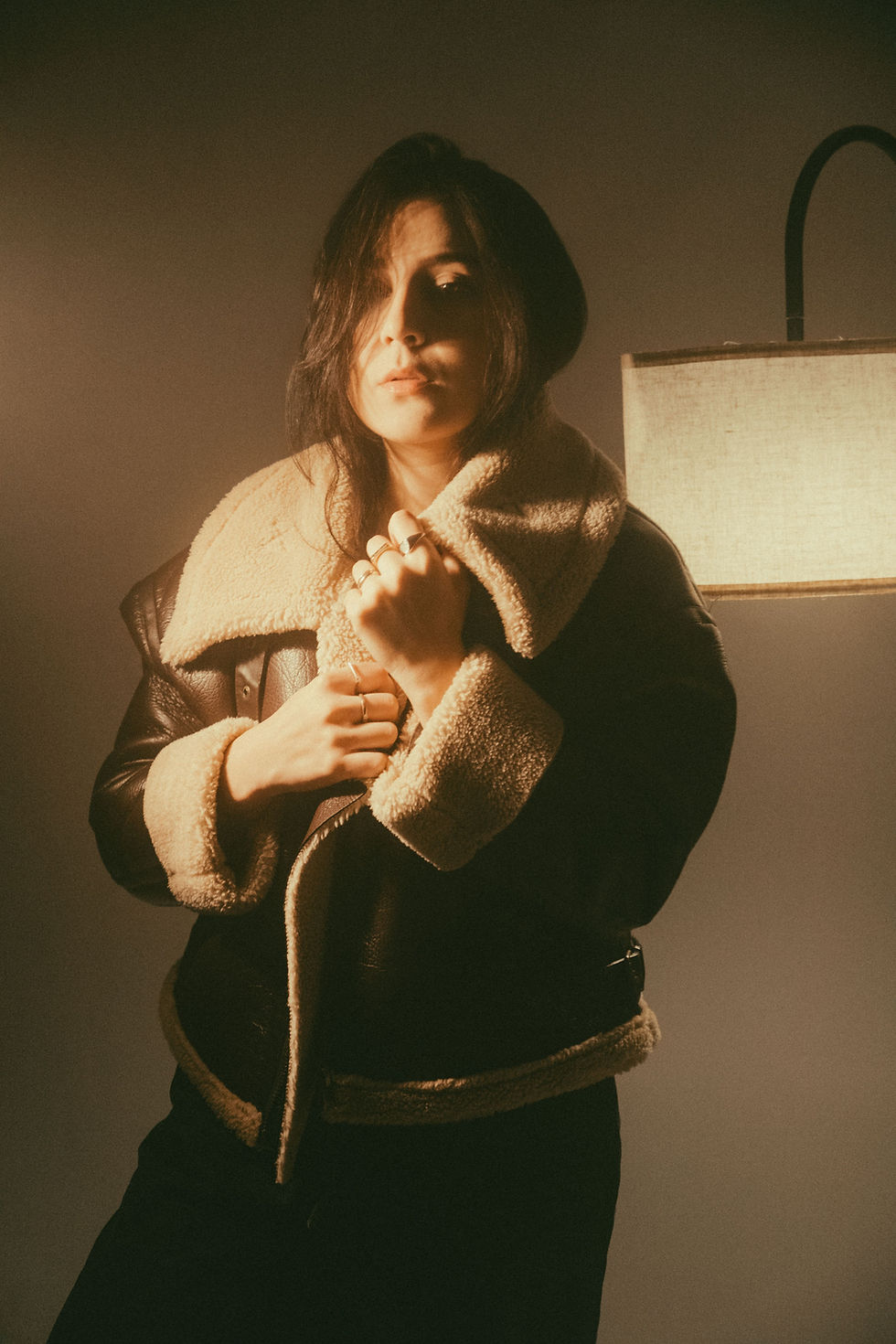
Cover photograph: MART PRODUCTION, Pexels source image. In-body utility-jacket detail: breakermaximus, Pixabay source image. Used under the Pexels License and Pixabay Content License; original source URLs and license labels are recorded in Wix Media Manager.


Comments